
If you have acne you may have tried a dozen different
home remedies for acne. Often times common techniques for acne only use topical
treatments that do little to address the underlying cause and permanently
resolve the acne.
This article will look at natural remedies for acne,
how to prevent acne, herbal acne treatment and vitamins for acne. Rather than
simply cutting and pasting information from other sites about using herbs like
drugs (in a simple this-for-that manner), this article illustrates how a
holistic approach can help you find the root cause of your acne so you can find
a long-lasting natural solution.
Western Medicine's Approach to Acne
Western medicine generally recommends facial
treatments such as washing with soap and water or specialized products and
medical antiseptics.
Acne that becomes infected may be treated with
antibiotics.
Women with severe acne may be given birth control
pills in an attempt to regulate hormones.
Natural Remedies for Acne
Using natural remedies for acne first involves
determining the cause of the acne, which may be hormonal, diet/lifestyle
related or, more commonly, a mixture of these.
Once the cause has been found, a personalized plan
using diet, lifestyle, and herbs will put you on the road to restoring healthy
skin. Depending on your overall health and the root cause of the problem it may
take six months to a year to fully resolve the acne, although it is common to
see improvements fairly quickly after the first steps have been taken.
Causes of Adult Acne
If you are interested in solving your acne problems
permanently the most important question is: what is causing the acne in the
first place? While popular over-the-counter treatments have fancy marketing
techniques, they never truly get to the cause of the problem, thus leaving you
dependent on them for life! Youth and adult acne can be caused by one or both of
these factors: hormone imbalance and/or a pro-inflammatory lifestyle.
Acne Caused by Hormonal Imbalance
Women who have acne caused by hormone imbalance
generally have other significant health problems related to hormones. This can
include severe PMS, ovarian cysts, fibroids, etc. In general, acne that worsens
in cycles that correlate to menstruation have a hormonal component to them.
Acne located primarily along the chin line (sometimes called chin acne) can
also point to hormonal acne.
Many natural health practitioners and even doctors
advocate taking herbs or drugs to “balance” hormones.
One of my pet peeves is the term “balance”. Your endocrine
system is an incredibly complex system that we are only just
beginning to understand. Taking an herb or even a drug in an attempt to
externally influence this complex system is an oversimplified approach to
creating health.
Rather than attempting to “balance” hormones, the best
course of action is to restore total health through diet, lifestyle and herbs
so that the body can regulate this sophisticated and complex endocrine
system.
Here’s an article about 7 ways you can support a
healthy endocrine system.
Acne Caused by Inflammation
Some types of acne are an inflammatory condition.
Eating an inflammatory diet or living a sedentary lifestyle can both contribute
to the underlying cause of acne.
Foods for Acne
Because acne is an inflammatory condition it is
imperative to stop eating foods that increase inflammation and increase foods
that help to modulate negative inflammation. While western medicine maintains
that diet does not influence acne, I have seen dietary changes repeatedly play
a major role in natural remedies for acne.
Foods to avoid include:
- seed and vegetables oils (canola, safflower, etc)
- common food allergens: wheat, soy, dairy, corn
- sugar, high fructose corn syrup
- processed foods (things that come in a box, package or can)
- fast food
Foods to enjoy frequently include:
- fresh cold-water fish (salmon, anchovy, herring)
- dark-colored vegetables (beets, leafy greens)
- berries (blueberries, raspberries)
- artichokes
- parsley
- pasture-raised meats
- fermented foods
- foods and herbs high in antioxidants
Herbal Acne Treatment
Liver herbs for acne
The liver helps to filter the blood and regulate and
clear hormones from your system. A sluggish liver can be responsible for a
variety of hormonal issues, acne being one of them. Besides helping to support
overall health, optimal liver function can promote better digestion.
Alterative herbs for acne
Eclectic physicians thought of acne and other
inflammatory skin conditions like boils as a symptom of bad blood. This
essentially refers to when detoxification organs like the liver, kidneys, skin,
lungs and bowels become deficient. Various alterative herbs have an affinity
for various organs and can be used to help them naturally remove metabolic
wastes from the body. This reduces infection and inflammation.
Lymphatic herbs for acne
Lymphatic herbs can be considered a sub-category of
alterative herbs, or those with a specific affinity for the lymphatic system.
Cleaning up the lymph in the body is an important step for those with acne. One
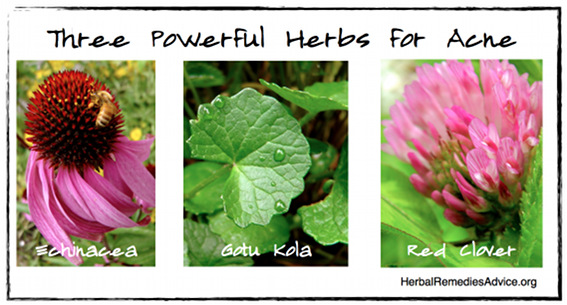
of my favorite herbs for this is Echinacea. This cooling lymphatic herb is
perfect for clearing acne.
Astringent herbs for acne
Astringent herbs and astringent herbal preparations
can be used topically. Astringent herbs tighten and tone tissues. They are used
to prevent infections, heal wounds and restore health to tissues. Herbal
astringents are generally safer and more nourishing than medical antiseptics
which can further disrupt the natural flora of the skin and cause a
dependence.
Antimicrobial herbs for acne
Antimicrobial herbs can be applied topically to help
prevent or stop infections. One of my favorite ways to do this is hot facial
packs which can draw out infections, heal the wounds and restore healthy
skin.
